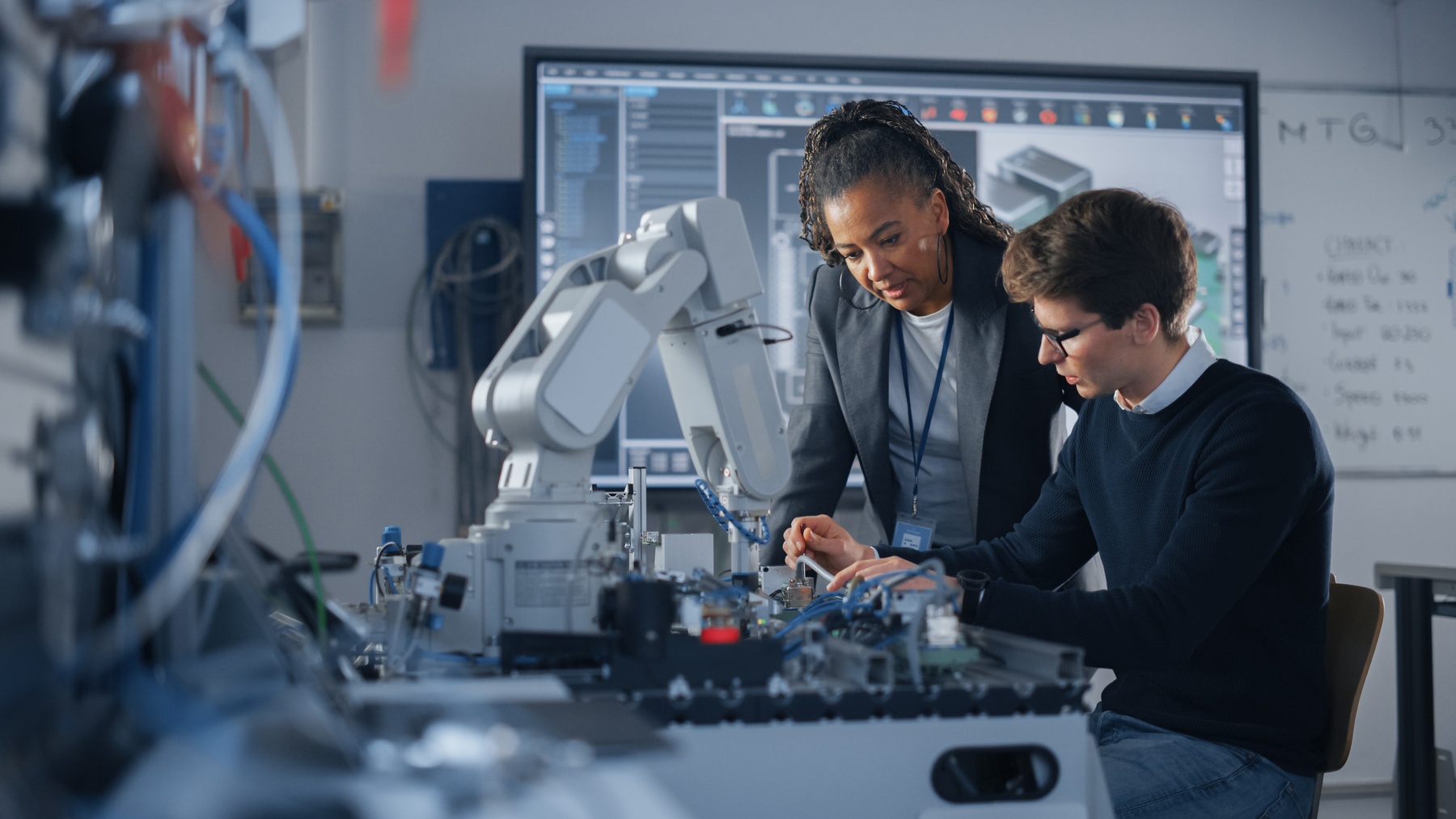

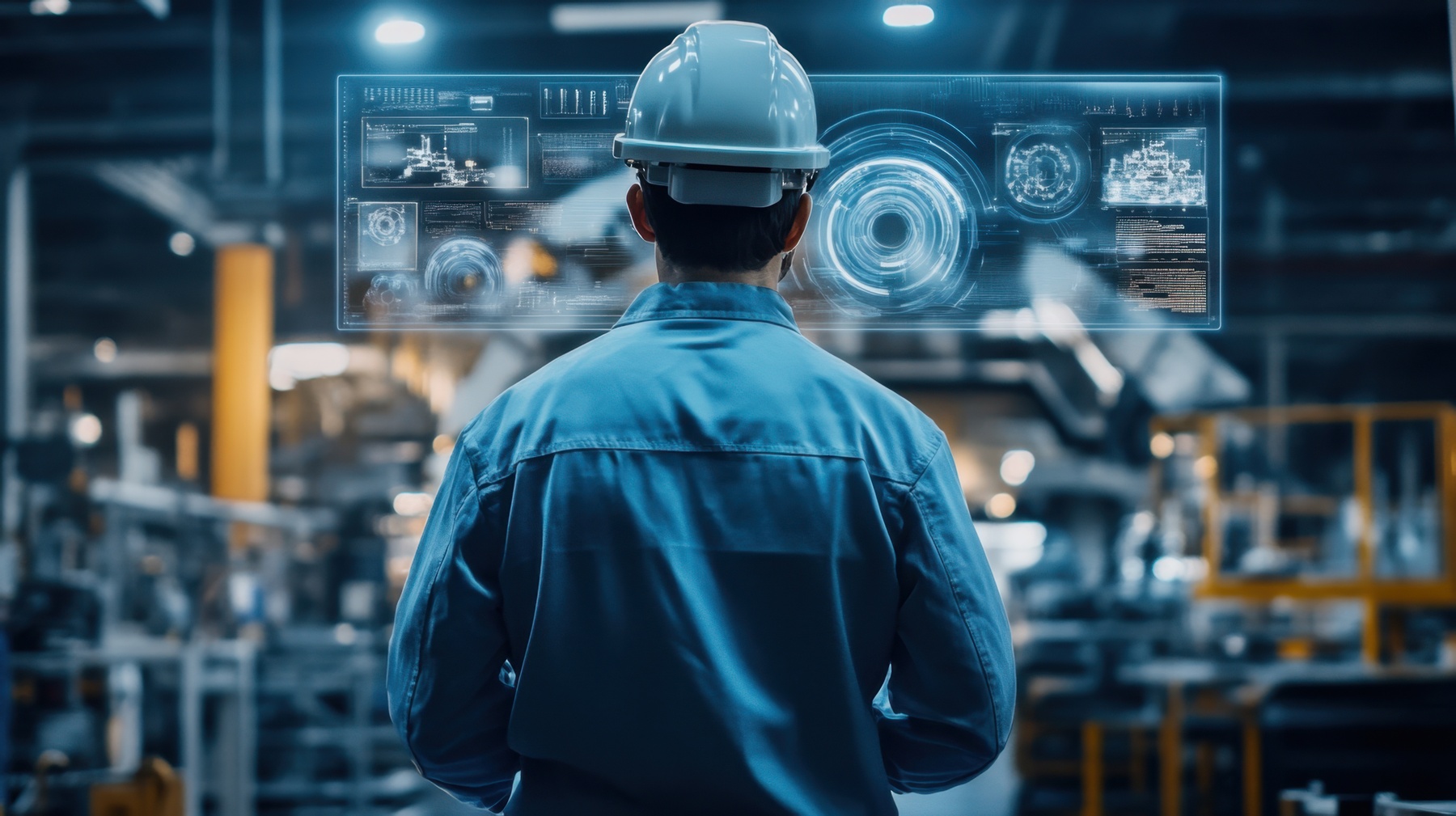
Artificial Intelligence is moving fast, especially in Engineering. From automating complex design tasks to improving real-time decision-making in manufacturing, AI is changing the game across the board. It’s not just about tech upgrades either. These changes are shifting the types of roles companies need and the kind of talent we look for at Omega.
As someone early in my recruitment career, specialising in Engineering, I’ve been keeping a close eye on how AI is reshaping the sector and what that means for candidates, clients, and the future of work.
Here’s what I’ve learned.
AI in Engineering: What’s Changing?
AI isn’t just for big tech companies anymore. In Engineering, it’s being used to:
- Optimise product design using machine learning and simulation tools
- Predict equipment failures before they happen using data from sensors (great for sectors like aerospace and energy & renewables)
- Automate repetitive calculations like FEA or CFD to save time
- Drive innovation in areas like sustainable energy, robotics, and digital twin technologies
The result? Engineers are solving problems faster and working smarter, but it also means the roles are shifting. Companies are now hiring people who not only understand engineering fundamentals but can also work alongside AI tools, interpret the data, and make real-world decisions from it.
Why Efficiency Matters – Just Ask Unilever
It’s not just Engineering output that’s changing the way businesses run; it is evolving too. One stat that really stuck with me: Unilever saved 100,000 hours a year by introducing AI into their recruitment process. That’s time saved on admin, assessments, and interviews and more time spent making real hiring decisions.
That shows how AI isn’t just about cutting costs, it’s about creating space for better thinking and faster action. In Engineering, where projects are often time-sensitive and resource-heavy, that kind of efficiency is a game-changer.
The Risks: Bias, Over-Automation & the Need for Human Oversight
But it’s not all smooth sailing. Like any tech, AI has its limits, and in Engineering, some of those limits can be costly:
- Bias in AI models can lead to poor or unsafe design decisions if the training data isn’t diverse or accurate enough
- Over-automation can create gaps in understanding – engineers need to know why a model recommends something, not just trust it blindly
- Loss of specialist intuition – the kind that comes from years on the job and can’t be replicated by software
We see similar issues in recruitment. If you rely too much on algorithms, you risk missing great candidates or failing to spot the kind of experience that doesn’t always show up in keywords.
So, Where Do Recruiters Fit In?
At Omega, our role is to support Engineering companies through this shift. That means finding talent with the right technical foundation and the adaptability to work with AI.
Here’s how we approach it:
- We stay industry-aware – keeping up with how AI is being used in engineering disciplines so we understand what our clients actually need
- We don’t rely on just CVs – we speak to candidates to understand how they problem-solve, how they use tech in practice, and whether they’re ready to work in data-driven environments
- We balance speed with accuracy – using tech to help us filter and organise but always making sure a human makes the final call
In Engineering recruitment, it’s not just about ticking boxes. It’s about knowing the difference between someone who can use the tool and someone who knows how to make it better.
To Summarise
AI in Engineering isn’t coming, it’s already here. It’s making the sector faster, more data-driven, and more efficient. But that doesn’t mean we can remove people from the process. The best results still come from engineers who can think critically, collaborate, and challenge the output of the tools they use.
The same goes for recruitment. We’re using AI to work smarter, but the relationships, the conversations, and the understanding of what makes someone a great fit still comes down to us.
If you’re in Engineering and building teams that need to thrive in this new AI-powered space, or if you’re a candidate ready to take that next step, get in touch with me directly on 01453 852544 or email me at [email protected].
Let’s make sure you’ve got the right people – not just the right tools.


Head Office
Omega House
Bonds Mill
Stonehouse
Gloucestershire
GL10 3RF
Leeds Office
Omega Leeds
715 West Village Leeds
114 Wellington Street
Leeds
LS1 1BA
Get Started
Certifications